




· By Boat Juice Team
Mild Soap for Cleaning Your Boat Without Damaging It
If you want to keep your boat looking brand new season after season, the single most important thing you can do is choose the right soap. The best mild soap for cleaning your boat is a pH-neutral, marine-specific formula. It’s designed to cut through salt, grime, and sunscreen residue without stripping away the protective wax you worked so hard to apply.
Why Mild Soap Is Your Boat's Best Friend

Ever look at a boat a few slips down and wonder how it stays so glossy? It’s not some secret detailing voodoo. It's just smart maintenance, and it all starts with the soap you put in your bucket.
Understanding what "mild soap" actually means in the boating world is key. We're talking about a pH-neutral formula. A harsh, high-alkaline cleaner like dish soap is made to obliterate grease, but it also destroys the wax or sealant that acts as your boat’s first line of defense. Using it is like sending your boat out into the elements without sunscreen.
The Damage Done by the Wrong Soap
Reaching for the wrong soap—like that bottle of dish detergent under the sink or a heavy-duty degreaser—is one of the most common mistakes you can make. It feels like it's working because it suds up and cuts grease, but it's also chemically stripping away your protective layers. This is why it's so damaging.
This stripping action accelerates a nasty process called oxidation, which is what turns your vibrant, shiny gelcoat into a dull, chalky mess. You're not just washing your boat; you're either preserving its value or actively destroying it with every wash.
I’ve seen it happen time and again: a boat washed with proper marine soap stays glossy, while one washed with dish soap looks tired and faded by August. Using the wrong soap means you're creating more work for yourself later when you have to do a full-blown oxidation removal.
The push for gentle but effective formulas is happening everywhere, not just in marine care. Even when choosing household products like a fragrance-free dish soap, people are learning that you don't need harsh chemicals to get a great clean. This same logic is crucial for protecting your boat's sensitive surfaces.
Mild Soap vs. Harsh Detergent at a Glance
Here’s a quick comparison of how different soaps affect your boat's most common surfaces over a single season. The difference is pretty stark.
| Boat Surface | Impact of Mild Soap (e.g., Boat Juice) | Impact of Harsh Household Detergent |
|---|---|---|
| Gelcoat | Cleans grime, preserves wax/sealant, maintains a high-gloss finish. | Strips wax, dulls the finish, and accelerates chalky oxidation. |
| Vinyl Seats | Safely lifts dirt and sunscreen, keeping vinyl supple and hydrated. | Dries out the material, leading to cracking, fading, and brittleness. |
| Canvas/Tops | Gently removes dirt and bird droppings without harming water repellency. | Degrades waterproofing treatments and can cause colors to fade. |
| Hardware | Cleans stainless steel and aluminum without causing pitting or spots. | Can leave spots, streaks, and even contribute to corrosion over time. |
As you can see, choosing a mild soap isn't just about cleaning—it's about long-term preservation of every part of your boat.
The Shift Toward Smarter Ingredients
This isn't just a boating trend; it's a massive shift in consumer thinking. The global market for organic soap was valued at USD 1.6 billion in 2024 and is expected to climb to USD 4.2 billion by 2033. People want powerful results without nasty chemicals, a trend explored in this detailed market analysis.
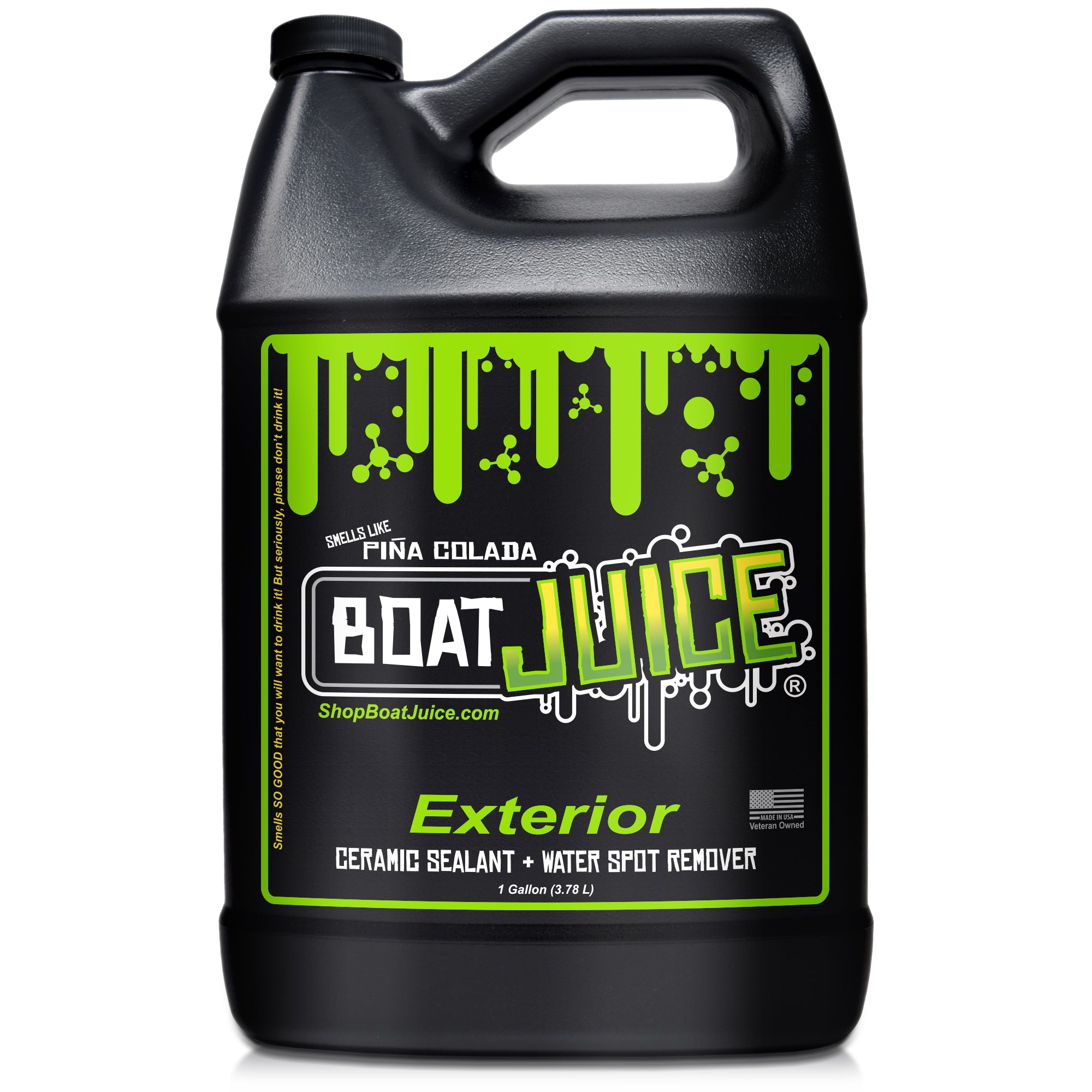
That’s exactly the philosophy we built into Boat Juice Exterior Cleaner. It's a mild soap for cleaning that’s engineered to lift away the daily grime without damaging your expensive wax, sealant, or ceramic coating. It's about working smarter, not harsher, to get the clean you need.
If you're interested in how this approach benefits the environment, check out our guide on eco-friendly boat cleaning products. At the end of the day, the right soap is your first and best defense for keeping that head-turning shine all season long.
Matching the Right Soap to Every Boat Surface

Your boat isn't just one big piece of fiberglass. It’s a mix of materials, each with its own job and its own enemy. The gelcoat on your hull is in a constant battle with the water, your vinyl seats are getting baked by the sun, and the bimini top is taking a beating from wind and rain. Grabbing a single, generic cleaner for everything is like trying to fix a delicate watch with a sledgehammer.
Building a smart cleaning arsenal starts with knowing what you're cleaning. The interior of your boat, for instance, needs a cleaner that can tackle dirt while also defending against brutal sun damage. This is where a dedicated interior product really shines.
Interior vs. Exterior: The Critical Difference
The kind of mess you find inside your boat is totally different from the gunk on the outside. Interior messes are things like sunscreen smears, body oils, and spilled drinks. The exterior is fighting a war against lake scum, salt spray, and bird droppings. Because the problems are different, the solutions must be too.
A quality interior cleaner like Boat Juice Interior is packed with powerful UV blockers. Honestly, this is a non-negotiable feature. It's what keeps your marine vinyl from fading and cracking. An exterior soap is a different beast entirely—it’s formulated to break down mineral deposits and organic slime without stripping away your precious wax coat.
Think of it this way: Your exterior soap is the tough shampoo that gets all the grime out. Your interior cleaner is the high-end conditioner that protects and revitalizes. You absolutely need both for a boat that looks great and lasts.
To really dial in your routine, you need to clean a boat with the right boat soap by learning to read the labels like a pro.
Decoding the Labels Like a Pro
When you’re on the hunt for a mild soap for cleaning, keep an eye out for these key terms. They’re your guarantee that you’re choosing something safe for your boat.
- pH-Neutral: This is the big one. It means the soap won’t eat away at your wax or sealant. That protective layer is your boat's first line of defense against oxidation, so you want to keep it intact.
- Biodegradable: This tells you the soap will break down naturally and won't harm aquatic life. It's just part of being a responsible boater.
- Safe for Gelcoat & Marine Vinyl: This is the manufacturer's promise that the product has been tested and won't damage the most common—and expensive—surfaces on your vessel.
Once you know what to look for, you can build a kit that has you ready for anything. Fish guts on the deck? Spilled soda in the cockpit? No problem. For a deeper dive into hull maintenance, check out our guide on how to clean fiberglass boats.
The Perfect Boat Wash from Start to Finish
Ready to get that boat looking brand new? Let's walk through the boat washing process that the pros swear by, broken down so you can easily nail it yourself. First, a quick but important tip: try to wash your boat out of direct sun, especially during the hot summer months. If you wash in blazing heat, soap and water evaporate almost instantly, leaving behind stubborn water spots.
The Two-Bucket Method Your Gelcoat Will Love
If you take away one thing from this guide, let it be this: use the two-bucket method. It’s the single best way to prevent scratching your boat’s finish. You’ll just need one bucket for your soapy water and a second one with clean water for rinsing your wash mitt.
Here's why this is a game-changer:
- Step 1: Dunk your wash mitt into the Soap Bucket and wash a small section of the boat.
- Step 2: Before getting more soap, dunk your dirty mitt into the Rinse Bucket. Swish it around to knock off all the dirt and grit you just picked up.
- Step 3: Now you can safely go back to the soap bucket for a fresh, clean load of suds.
This little process stops you from dragging abrasive grime back across your hull, which is what causes those tiny swirl marks that make your gelcoat look dull. You’re guaranteeing that only a clean mitt touches the boat.
Your Washing Technique Matters
Always wash from the top down. Let gravity be your assistant. Start with the tower or hardtop and work your way down to the hull. This keeps dirty water from running over sections you just cleaned, so you're not doing the same work twice. Work in small, manageable sections, and rinse each section completely before moving on.
The golden rule is to never let soap dry on the surface. Washing and rinsing in small chunks is the secret to getting every part of your boat clean without creating more work for yourself by having to scrub off dried soap scum.
The soap you choose makes a massive difference here. The global soap market is expected to hit $59.46 billion by 2026, but not all soaps are created equal. This market analysis shows a growing demand for specialized formulas, because boaters are realizing the cost of using the wrong products. Using a mild soap for cleaning specifically made for marine use is a small change with a huge impact.
The Final Rinse and Dry
After you've washed the whole boat section by section, give it one last, thorough rinse from top to bottom. Now for the step that separates a good wash from a great one: drying. Whatever you do, don't let it air-dry. That's the number one cause of frustrating water spots.
Here's your final action step for a perfect wash: grab a big, absorbent microfiber drying towel or a soft water blade for large surfaces. Dry the boat immediately and completely to get that flawless, spot-free finish. For more pro tips, take a look at our complete guide to boat wash soap. Make this your weekend routine, and your boat will thank you.
Handling Tough Messes Without Harming Your Finish

A good mild soap is your go-to for 90% of your boat washing, but boating serves up some seriously stubborn messes. A gentle wash simply won’t touch things like baked-on water spots, ugly black mildew stains, or bird droppings that have been cooking in the sun for a week.
When faced with a stain that won’t budge, your gut reaction might be to grab a stiff brush and scrub harder. This is a huge mistake that almost always leads to a dull finish and permanent damage. The real solution isn't more elbow grease; it's using the right tool for the job.
When to Escalate to a Specialized Cleaner
So, how do you know when it’s time to move beyond your basic wash bucket? Your mild soap for cleaning is perfect for fresh dirt, dust, and rinsing off light salt spray. You need to reach for something more specific when a mess has had time to set in or is the result of a chemical process.
Think of it as your boat’s specialized toolkit. You’ll want to grab a specialty cleaner for jobs like these:
- Mineral-Rich Water Spots: These are crusty mineral deposits that etch themselves into your finish as water evaporates. Your soap can't dissolve them.
- Black Streaks: Those grimy lines running down from hardware are a mix of oxidation and grime that a normal soap just can't break down.
- Mildew and Mold: Those nasty black spots on vinyl seats are living organisms. You have to kill them at the root, not just wipe them off the surface.
In these situations, a purpose-built cleaner is your best friend. These products are formulated to break down a very specific problem without causing collateral damage.
Tackling Water Spots the Smart Way
Those hard, chalky water spots are one of the biggest headaches in boat care. Trying to scrub them off with soap will only scratch your gelcoat. The right way to handle this is with a dedicated water spot remover.
Here’s the simple, actionable process:
- Spray a product like Boat Juice Extreme Water Spot Remover directly onto the spots.
- Let it sit for about 30-60 seconds. This gives the mild acid-based formula time to dissolve the mineral deposits on a chemical level.
- Gently wipe the area with a clean microfiber towel.
That's it. You’re letting chemistry do the hard work, which safely lifts the spots without dulling your boat’s shine.
It's like trying to get permanent marker off a whiteboard. You could scrub it with soap and water, which just smears it and ruins the board, or you can use a dry-erase marker to dissolve the ink effortlessly. Same principle.
Winning the War Against Mildew
There's nothing worse than seeing mildew creep across your beautiful vinyl seats. The most damaging thing you can do is reach for bleach. Yes, bleach kills mildew, but it's a disaster for upholstery—it dries out the vinyl’s protective topcoat and rots the thread in the seams. Pretty soon, your seats are literally splitting at the seams.
A dedicated marine-grade mildew stain remover is the only safe and effective solution. It’s formulated to kill mildew spores deep inside the material’s pores without destroying the vinyl or its stitching. After treating mildew, always follow up with a quality interior cleaner and a vinyl protectant to rehydrate the material and add UV protection, which is your best defense against future outbreaks.
Locking in the Shine After You Wash

Getting your boat sparkling clean with a mild soap for cleaning feels great, but if you stop there, you’ve only done half the job. That freshly washed surface is a blank canvas, exposed to the elements. The final, and arguably most important, step is laying down a layer of protection to seal in that shine and make your next cleanup easier.
A quality marine sealant is like sunscreen for your boat's gelcoat. It creates a slick barrier that sheds water and blocks the harsh UV rays that cause your finish to look chalky and faded.
The Quick and Easy Way to Protect Your Finish
Gone are the days of spending an entire Saturday wrestling with a heavy paste wax. Modern chemistry has gifted us a much smarter, faster alternative: the spray sealant.
Here’s your quick action plan to protect your boat in minutes:
- Make sure the surface is clean and completely dry.
- Mist a top-shelf product like Boat Juice Protection onto one section at a time.
- Gently wipe it off with a fresh microfiber towel to a brilliant shine.
Here’s what’s happening on a microscopic level: Your clean gelcoat is porous, like a dry sponge. A spray sealant instantly fills in those tiny imperfections, creating an ultra-smooth, hydrophobic surface. Water has nothing to grab onto, so it beads up and rolls right off, taking dirt with it.
This one simple step does more than just add gloss. It deepens the color, makes your metallics pop, and, best of all, makes every future cleanup a whole lot easier.
Making Your Next Cleanup a Breeze
This is where you’ll really appreciate the payoff. Once you've applied a sealant, that end-of-the-day wipe-down becomes a quick, satisfying task. Salt spray, lake scum, and dust won't be able to bond to the protected surface. Most of the time, a quick spritz of a waterless wash and a wipe is all you’ll need.
Here’s the difference you can expect with a properly sealed boat:
- Faster End-of-Day Wipe Downs: Dirt and water just can't stick. You'll cut your cleanup time in half.
- Stays Cleaner, Longer: The slick finish actively repels grime, so your boat looks freshly detailed even after a few outings.
- Powerful UV Protection: The sealant acts as a sacrificial barrier, blocking the sun’s rays before they can oxidize your gelcoat.
Spending an extra 15 minutes applying a sealant after you wash saves you hours of future scrubbing and preserves the value of your investment. Your next action item is to make protection a non-negotiable part of your routine.
Answering Your Top Boat Cleaning Questions
Even with a solid plan, a few questions always seem to surface. Let's run through some of the most common ones to help you clean your boat with the confidence of a seasoned pro.
Can I Just Use My Car Wash Soap on the Boat?
It’s a tempting shortcut, but it’s a bad idea. While your average car soap is pretty mild, it’s not built for what a boat goes through. Your car deals with road grime and bugs; your boat is constantly fighting off salt spray, stubborn mineral deposits from the lake, and aquatic scum. A proper marine soap is formulated to break down that specific kind of gunk without damaging your gelcoat.
How Often Should I Really Be Washing My Boat?
This really boils down to where you're boating. The game is completely different for saltwater versus freshwater, especially during peak summer boating season.
- Saltwater Boating: You need to give your boat a complete freshwater rinse after every single trip. Salt is relentless. A full wash with a mild soap for cleaning should be on your schedule every week or two, depending on use.
- Freshwater Boating: You get a bit more breathing room here. A thorough wash every few trips, or at least once a month during the season, is a solid routine that will keep your boat looking sharp.
The real key is consistency. A few quick, gentle cleanings are always going to be better for your boat’s finish than one massive, back-breaking scrub session to remove weeks of baked-on grime.
Does "Biodegradable" Automatically Mean It's Safe for My Finish?
This is a great question, and the answer is not necessarily. "Biodegradable" tells you the soap is safe for the environment, which is fantastic. But that label doesn't say anything about how the soap will treat your boat's surfaces. Some eco-friendly cleaners can still have a high or low pH, which can strip your wax. You want a product that's labeled as both biodegradable and pH-neutral.
What's the Easiest Way to Dry My Boat Without Leaving Spots?
The secret to a spot-free shine is to start drying the second you finish rinsing—never let it air dry. Your best friend here is a high-quality, absorbent microfiber drying towel. For big, flat areas like the hull, a soft water blade (a flexible squeegee) can make the job go a lot faster. If you still find a few stubborn spots, a quick mist of a spray detailer will take them right off.
Now that you have the right knowledge, your next step is to grab your buckets and put this plan into action this weekend.
At Boat Juice, we've spent countless hours obsessing over these details so you don't have to. Our entire lineup is designed from the ground up to give you a faster, better clean every time. See for yourself and explore our complete collection of cleaners, protectants, and boat care kits today at https://shopboatjuice.com.