




· By Boat Juice Team
Your Guide to Aluminum Boat Bottom Paint
Let's talk about what really keeps your aluminum boat in prime condition: the paint on its bottom. If you're new to aluminum boats, you might think any old marine paint will do the job. But that's a common and costly mistake. For your aluminum hull, you absolutely need a specific copper-free aluminum boat bottom paint, and we’ll break down exactly why.
Why Your Aluminum Boat Needs Special Paint

Here’s the science in a nutshell. Think of your aluminum hull as one terminal of a battery and the copper in traditional bottom paint as the other. When you put that boat in saltwater (which acts as the electrolyte), you've just created a live circuit. This kicks off a destructive process called galvanic corrosion.
This electrochemical reaction is a silent killer for aluminum hulls. It will relentlessly eat away at the metal, causing deep pits and compromising the boat's structural integrity. This is the single biggest reason why standard, copper-based antifouling paints are off-limits for your boat.
Instead, you need a paint made specifically for aluminum. These formulas use different biocides—like Econea or Zinc Pyrithione—to fight off marine growth like algae and barnacles. This way, you can prevent fouling without turning your hull into a science experiment gone wrong.
The Two Big Payoffs of Using the Right Paint
Getting the paint right isn't just about avoiding disaster; it’s about improving your boat's performance and protecting your investment.
- Better Performance and Fuel Economy: A hull covered in barnacles and algae creates a massive amount of drag. A clean, slick bottom lets your boat glide through the water efficiently, so your engine doesn't have to strain and you burn less fuel.
- Long-Term Hull Preservation: Beyond stopping galvanic corrosion, a proper paint job seals the aluminum from the elements. To create an impermeable barrier, you should also consider a high-quality aluminium boat sealant. This is how you keep your boat in fighting shape for years.
Why this matters: Using the right bottom paint isn't just another chore. It's fundamental to your boat's performance, safety, and longevity, protecting the value of your investment season after season.
A fouled bottom can increase drag by as much as 50%. That can translate to a 15-20% spike in your fuel bill! Taking the time to apply the correct products ensures your boat remains fast, efficient, and structurally sound.
Choosing the Right Type of Bottom Paint

So, you know you need a copper-free paint. Now you have to pick the right type. Think of it like picking tires for a truck; you wouldn't put highway slicks on a rig you're taking mudding. The best paint depends on where your boat lives and how often you use it.
You'll generally run into three main types of antifouling paint. Each one has a different game plan for keeping your hull free of gunk and growth. Let's walk through them so you can feel confident you're making the right call for your boat.
Ablative (Self-Polishing) Paint
The easiest way to think about ablative paint is to picture a bar of soap that wears away slowly in the shower. As your boat moves through the water, friction gently scrubs off a microscopic layer of paint. This "ablating" action constantly reveals a fresh surface of biocides—the active ingredients that repel barnacles and algae.
Because it's always self-polishing, the paint remains effective right up until it's gone. A huge benefit is that it wears down evenly, so you avoid the thick, crusty paint buildup you see on some boats. Come spring, repainting is usually as simple as a quick wash and a fresh coat.
Ablative paint is a fantastic choice if:
- You are out on the water often, since movement is key to making it work.
- Your boat stays in the water all season, especially in areas with heavy marine growth.
- You want a simpler prep job when it's time for a fresh coat next year.
Hard Modified Epoxy Paint
Hard modified epoxy paints—or just "hard bottom paints"—dry to a tough, slick, non-porous finish that acts like armor for your hull. The biocides are embedded within this hard coating and leach out slowly over time to ward off growth.
Unlike ablative paints, this coating doesn't wear away. Its sheer durability makes it the go-to for trailered boats that have to deal with friction from bunks and rollers. It's also a favorite for high-performance boats where a rock-hard finish can improve speed. The trade-off? After a season or two, the biocides run out, and you'll need to sand the old paint before reapplying.
Why hard paints are popular: Hard modified epoxy paints can often last for multiple seasons, which means less frequent repainting. Their durability is a major advantage for boats that are frequently trailered or beached.
Slick Bottom Coatings
Finally, we have slick bottom coatings. These are the new kids on the block and work on a totally different principle. Most are completely biocide-free. Instead of poisoning marine life, they create an ultra-low-friction surface that's so slippery, growth just can't get a foothold.
Think of it as a Teflon pan for your boat's bottom. Some slime might appear, but it wipes away easily with a soft sponge—and often sloughs off on its own once you get the boat moving. These are the most eco-friendly option but require more hands-on cleaning. Our guide on antifouling paint for aluminum boats has more info on these advanced coatings.
These are best for performance boaters and anyone in waters with strict environmental regulations where biocides are prohibited.
To make it even easier, here's a quick comparison to help you find the perfect fit for your boat and how you use it.
Comparing Aluminum Bottom Paint Types
| Paint Type | How It Works | Best For | Maintenance Level |
|---|---|---|---|
| Ablative (Self-Polishing) | Wears away with water friction, constantly exposing fresh biocide. | Boats that are used regularly and kept in the water all season. | Low: Minimal prep for repainting. |
| Hard Modified Epoxy | A hard, durable coating that slowly leaches biocide over time. | Trailered boats, high-speed boats, and multi-season use. | Medium: Requires sanding before recoating. |
| Slick Bottom Coating | Creates an ultra-smooth surface that growth cannot adhere to. | Performance boats, environmentally sensitive areas, frequent cleaners. | High: Requires periodic in-season wiping/cleaning. |
Now that you've got a handle on the different types of paint, you're ready to pick one that makes sense for you. But before you open a can, we need to cover the single most important step in the entire process: surface preparation.
The Step-By-Step Guide to Surface Preparation

I can't say this enough: a top-tier paint job is 90% preparation and 10% actually rolling on the paint. Cutting corners here guarantees that even the most expensive paint will fail. This is what separates a finish that lasts one season from one that lasts for years.
Think of it as the foundation of a house. Proper prep gives your primer and paint a perfectly clean and textured surface to grab onto. Whether you're working with a new bare hull or one with old paint, this is how you get it done right.
Start with a Deep Clean
Before you begin sanding, you need to give the hull a serious wash. Your boat's bottom collects a nasty film of oil, grease, and scum. If you sand first, you're just grinding that contamination directly into the pores of the aluminum, which will prevent the paint from adhering properly.
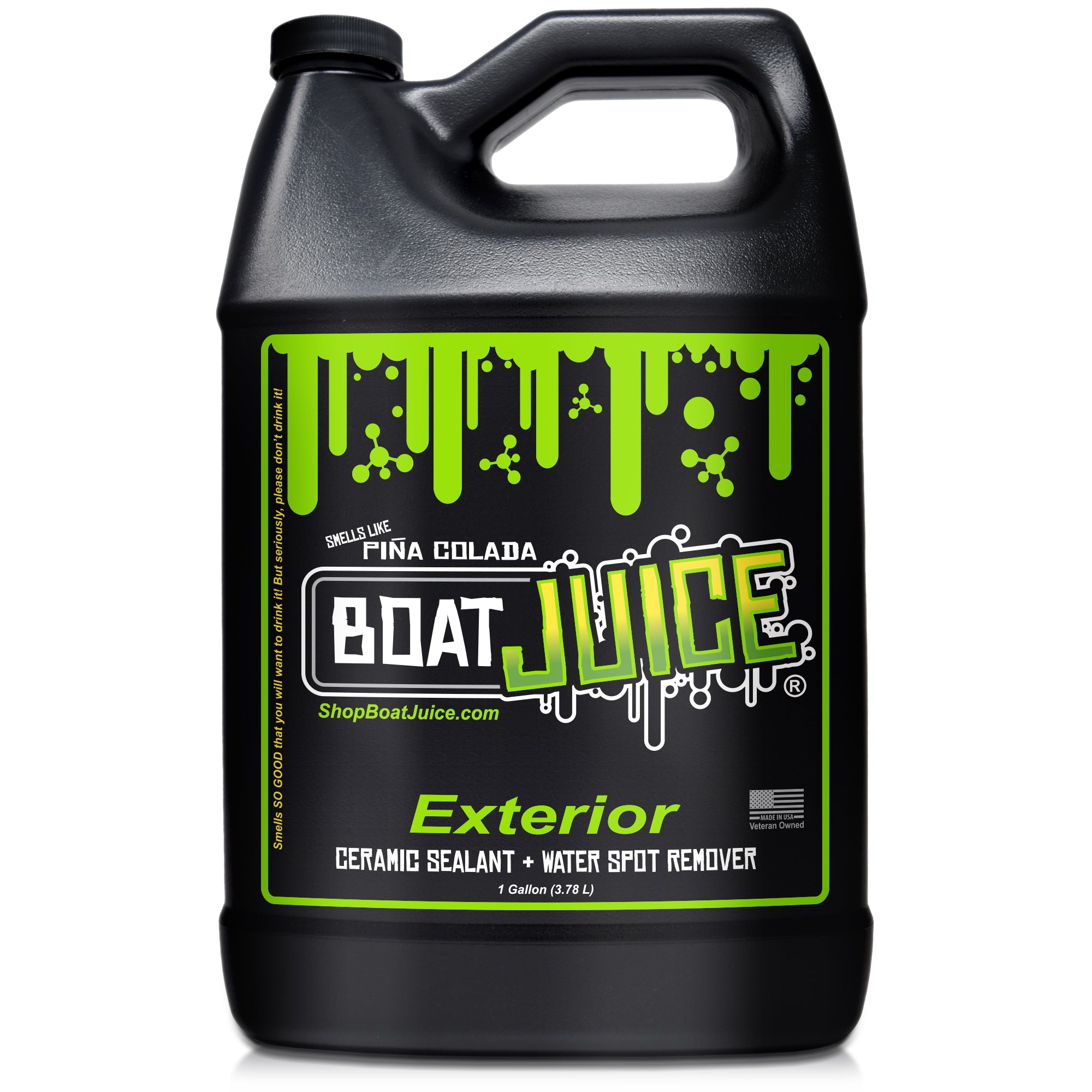
You'll want a heavy-duty cleaner for this. A product like Boat Juice Exterior is perfect for the job because its powerful surfactants are designed to break down that specific kind of marine grime. Spray it on, let it sit for a few minutes to do its work, then give it a thorough rinse.
Assessing Your Starting Point
With the hull clean and dry, it's time to assess the surface. What you do next depends entirely on its condition.
- For Bare Aluminum: Your goal is to get the metal clean and give it some texture for the primer to grip. Look for any white, chalky spots—that's oxidation. Our guide on choosing and using an aluminum corrosion cleaner can walk you through treating it.
- For Painted Aluminum: Look at the old paint. Is it bubbling, peeling, or flaking? If so, it has to come off. If the paint seems solid but you don't know what kind it is, the safest bet is always to strip it and start fresh.
The Tools and Gear You Will Need
Do yourself a favor and gather all your supplies before you start. It makes the process smoother and safer.
Safety First:
- Respirator: Get a NIOSH-approved respirator with organic vapor cartridges to protect your lungs from paint fumes and sanding dust.
- Goggles: Use full-seal goggles to keep dust and chemical splashes out of your eyes.
- Gloves: A box of chemical-resistant nitrile or butyl gloves is a must.
- Coveralls: Disposable painter's coveralls keep the mess off you and your clothes.
Prep Tools:
- Random Orbital Sander: A 5- or 6-inch sander is your best friend for this job.
- Sandpaper: 80-grit is the magic number for creating the right surface profile.
- Solvent Wash: Look for a marine-specific dewaxer or surface prep solvent.
- Clean Rags: You can never have too many clean, lint-free rags.
- Scrapers: Have both a metal and a plastic scraper handy for old paint.
- Painter's Tape: Use high-quality tape for a crisp, professional waterline.
The All-Important Scuff Sanding
Alright, your hull is clean and your gear is ready. It's time to sand. The mission here isn't to strip the hull bare; it's to create a "mechanical tooth." You're essentially creating thousands of microscopic scratches for the primer to lock into.
Load your orbital sander with 80-grit sandpaper and work across the entire bottom in a steady pattern. Overlap your passes to create a uniform, dull finish. When you're done, there shouldn't be a single shiny spot left on the surface.
The last step before priming is a final solvent wipe. This removes any fine sanding dust or oils from your hands. Use a two-rag method: apply the solvent with one clean rag, and immediately wipe it off with a second, perfectly clean rag to lift contaminants off the surface.
Why this matters: After all this prep, your very next step is applying a high-adhesion epoxy primer for aluminum. This creates a waterproof seal that stops galvanic corrosion and gives your paint the ultimate foundation. It's the key to a paint job that lasts.
How to Apply Bottom Paint Like a Pro

Your hull is clean, sanded, and ready to go. Now for the fun part—seeing that fresh coat of paint transform your boat. For most DIYers, the best method is the classic rolling and tipping technique.
This method is exactly what it sounds like: you use a roller to apply the paint quickly and a brush to smooth it out. When done right, rolling and tipping can give you a remarkably smooth, almost-sprayed-on look without expensive equipment.
Setting the Stage for Success
Before you open a can of paint, check the weather. Applying bottom paint in the wrong conditions is a surefire way to ruin your hard work. Always check the paint's technical data sheet for the ideal temperature and humidity range.
Most paints are happiest between 50°F and 90°F (10°C and 32°C). If it's too cold, the paint won't cure properly. If it’s too hot or you’re in direct sun, it can flash-dry and trap solvents, causing bubbles. Make sure you have a solid 24-hour window with no rain in the forecast.
The Art of Rolling and Tipping
This is often a two-person job. One person lays down the paint with the roller, and the "tipper" follows immediately behind with the brush. If you’re working alone, just tackle smaller sections at a time.
- Get Your Paint Ready: First, stir the paint thoroughly. The active ingredients settle at the bottom, so scrape the sides and bottom of the can until the color is completely uniform.
- Load Your Roller: Pour some paint into a tray and load up a solvent-resistant roller, usually a 1/4" or 3/8" nap. Get an even coat on the roller, but not so much that it's dripping.
- Roll on the Paint: Work in manageable patches, about 3 feet by 3 feet. Apply the paint in a loose “W” pattern, then fill it in with even, horizontal strokes.
- Tip it Smooth: Immediately after, the tipper comes in with a high-quality brush. The secret is to use only the tips of the bristles with almost no pressure. Use long, light, overlapping vertical strokes to gently smooth the roller texture, or "stipple."
Why It Works: Rolling is fast and gets an even amount of paint onto the hull. The immediate, light tipping erases the roller marks before the paint sets up, leaving a beautifully smooth finish that maximizes performance.
Understanding Overcoating and Curing Windows
Timing is everything with paint. You can't just slap on the next coat whenever you feel like it. Every paint has a strict schedule you must follow, listed right on the can.
- Overcoating Window: This is the time you have between coats. Go too soon, and the new coat can damage the one underneath. Wait too long, and the layers won't bond properly, forcing you to re-sand the entire surface.
- Cure Time to Launch: This is the minimum time you must wait after your final coat before the boat can go in the water. Launching too early will watch your expensive new paint job literally wash away.
These times change based on temperature and humidity, so always read the can. This isn't a suggestion; it's the rulebook. Plan on applying two to three solid coats, adding an extra one along high-wear spots like the waterline and the leading edge of the keel.
Maintaining Your New Paint for a Longer Life
You put in the hard work, and now your boat’s bottom looks fantastic. Making your new paint job last is about smart, gentle upkeep. A little care goes a long way in keeping that antifouling protection at its best, which means less work for you next spring.
Maintaining your paint isn't complicated. It boils down to light cleaning during the season and a proper cleanup when you pull the boat out for the winter.
In-Season Care and Cleaning
The key to cleaning antifouling paint is to be gentle. You want to remove light slime without scrubbing off the paint's active layer, especially if you chose an ablative coating that is designed to wear away.
If you get too aggressive with a stiff brush or a pressure washer, you’re just speeding up that process and literally washing your investment down the drain.
Tips for Keeping it Clean Mid-Season:
- A Soft Touch is Best: When you see a bit of slime, use a soft-bristled brush, a sponge, or a microfiber cloth. A light wipe is all you need.
- Keep an Eye on the Waterline: The "bathtub ring" is always the first to appear. Wiping it down gently every few weeks will keep it from baking on and becoming a real chore later.
- Give it a Quick Look-Over: Periodically check the hull for any unusual growth or fresh nicks and scratches. Catching these things early makes them easy to fix.
End-of-Season Cleanup and Winter Prep
The moment you pull the boat for the season is your golden opportunity for cleanup. This is your chance to get all that season's grime off before it hardens over the winter.
As soon as it's out of the water, give the hull a good rinse with a hose while it’s still wet. You’ll probably still see a stubborn scum line or some yellowish-brown stains at the waterline. These are tannin and mineral stains from the water.
A harsh, acid-based hull cleaner can be too aggressive for your paint. A targeted, gentler cleaner like Boat Juice's Extreme Water Spot Remover is a much smarter play. It’s formulated to dissolve those specific mineral deposits without stripping away your expensive paint.
Spotting Trouble and Touching Up
Scratches and dings are just part of boating. When you see bare aluminum or even just the primer peeking through, it’s time for a quick touch-up to prevent corrosion from starting.
Here’s the simple process for a spot repair:
- Clean the Spot: Get the area you need to fix clean and dry.
- Scuff it Up: Lightly sand the immediate area with 80-grit paper to give the new paint a good surface to grip.
- Wipe and Prime: Wipe it down with a solvent. If you’re down to bare metal, apply a coat of your aluminum-safe primer.
- Paint Away: Dab on two fresh coats of your bottom paint, following the recommended drying times on the can.
This small effort keeps a minor scrape from turning into a big headache. And if you're looking to keep the rest of your unpainted aluminum looking its best, our guide on using the right aluminum polish for boats has great advice.
Your Top Aluminum Boat Paint Questions, Answered
Alright, you've done your homework and are prepping for the job ahead. But a few questions are probably still nagging at you. Let's tackle the most common ones we hear from boat owners.
Can I Just Paint Over My Old Bottom Paint?
The honest answer is: maybe. It depends on the condition of the old paint and what type it is.
If the current paint is in solid shape—no big flakes or bubbles—and you know it's compatible with your new paint, you can likely get away with a good scuff-sanding before applying the new coat. As a rule, you can put a new coat of ablative paint over an old one, or a new hard paint over another hard paint.
However, if the old paint is peeling, or you have no idea what type it is, you must strip it. Rolling a hard paint over a soft ablative paint is a recipe for failure; the new layer will just crack and peel off.
When in doubt, strip it out. It's more work upfront, but it's the only way to guarantee your new paint job will stick and perform correctly.
How Much Does It Cost to Do It Myself?
Taking this on as a DIY project is a fantastic way to save money. For a typical aluminum fishing or pontoon boat in the 18 to 24-foot range, you can expect to spend between $200 and $500 on materials.
Here’s a rough breakdown:
- Aluminum-Safe Primer: A good two-part epoxy primer will cost $50 to $80 per quart.
- Bottom Paint: A gallon of quality, copper-free bottom paint will run you $150 to $250.
- Supplies: Painter's tape, rollers, brushes, trays, sandpaper, solvents, and safety gear will cost $50 to $100.
When you compare that to the $1,000 to $2,500+ a boatyard would likely charge, the savings are crystal clear.
How Long Will My New Paint Job Last?
This depends on the paint you chose, how much you use your boat, and the water conditions.
Most single-season ablative paints will provide solid protection for one season of regular use. A multi-season ablative or a tough hard modified epoxy paint can often last two or even three years, especially for trailered boats or boats kept in freshwater.
If you're boating in warm, salty water with heavy marine growth, expect any paint's lifespan to be on the shorter end of its advertised range.
Is a Barrier Coat Primer Really Necessary?
Yes. Absolutely. 100% yes. If you only follow one piece of advice in this guide, let it be this: Do not skip the barrier coat.
The primer does two critical jobs. First, it forms a waterproof shield over the bare aluminum, isolating it from the antifouling paint and water to stop galvanic corrosion.
Second, it acts like super-strong glue, giving the bottom paint an ideal surface to lock onto. Skipping the primer is the #1 reason bottom paint fails on an aluminum hull. Your expensive paint is only as good as the primer holding it to the boat.
Now that you know how to protect your hull, your next step is to get the right supplies. Start by making a list of the safety gear, prep tools, primer, and paint you’ll need. Planning ahead ensures you have everything on hand to do the job right from start to finish.
For a quick and easy cleanup after a day on the water, nothing beats the original one-step cleaner trusted by boaters everywhere. Boat Juice Exterior cleaner safely cuts through grime and water spots while leaving behind a protective sealant.
Shop the Boat Juice Exterior Cleaner now and make your end-of-day wipe-down fast and easy!